roof material span
Blog

How Long Does a Roof Really Last? (By Material)

Short answer: most roofs in the United States last somewhere between 15 and 30 years, because most of them are asphalt shingle. But the real range is enormous. A basic three-tab shingle roof can be worn out at 15 years, while a slate or copper roof installed a century ago may still be doing its job today.

The material sets the ceiling. Installation quality, ventilation, and the weather your roof lives through decide how close you actually get to it. Below is what you can realistically expect from each type, and what tends to cut those numbers short for homeowners around Chicago.

Roof lifespan by material

The ranges below reflect typical service life under normal conditions with reasonable maintenance. The InterNACHI Standard Estimated Life Expectancy Chart for Homes, which home inspectors use as an industry reference, lists similar figures.

Roofing material Typical lifespan Notes
Asphalt shingles, 3-tab 15–20 years Thinnest, lightest, most weather-sensitive shingle
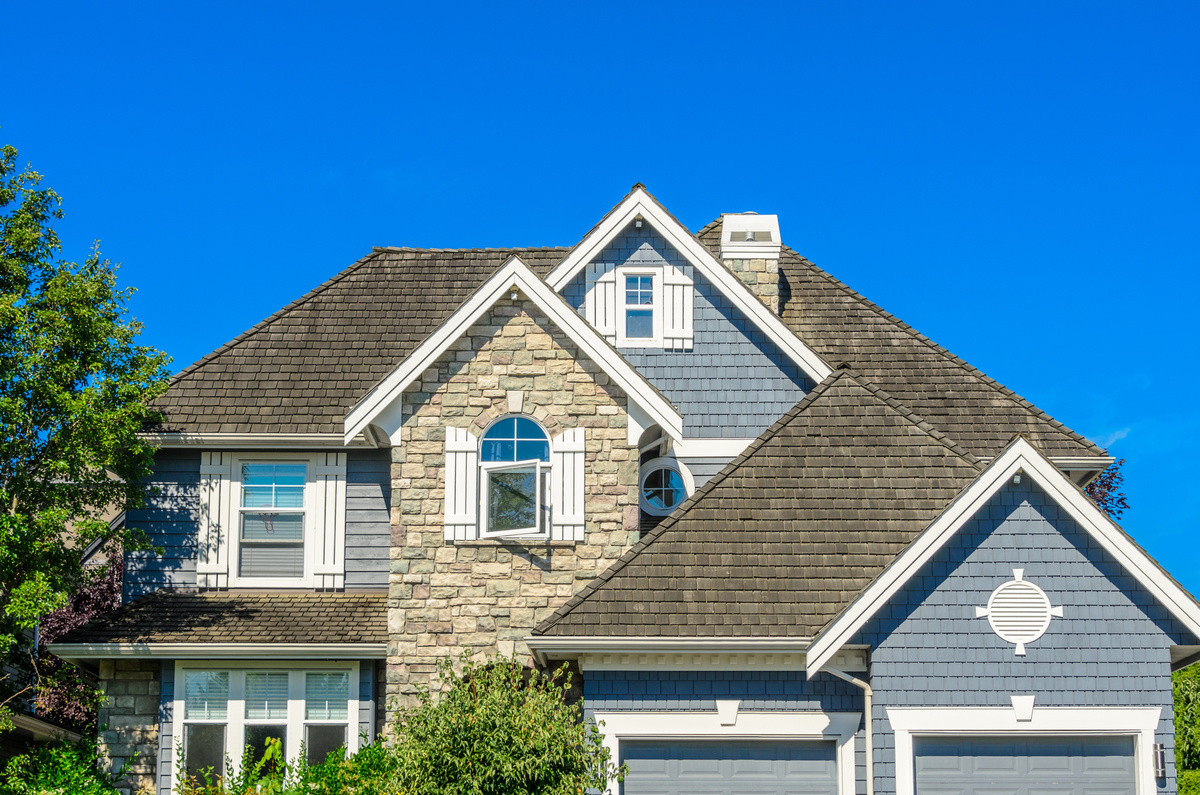
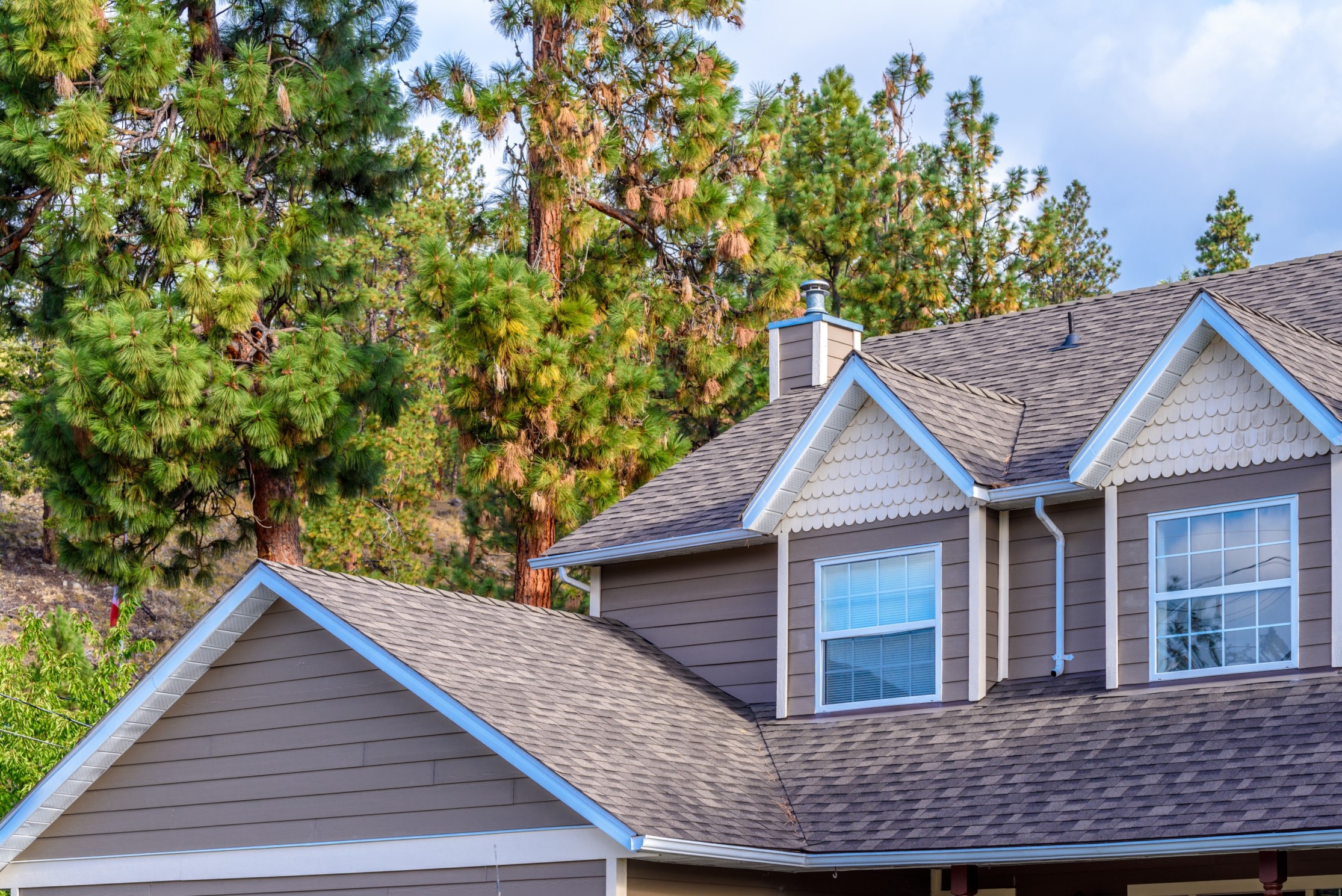
Asphalt shingles, architectural (dimensional) 25–30 years Thicker, heavier, better wind and hail resistance
Asphalt shingles, premium / luxury 30–40 years Multi-layer, often with Class 4 impact rating
Wood shingles / shakes 20–30 years Needs dry climate and regular treatment
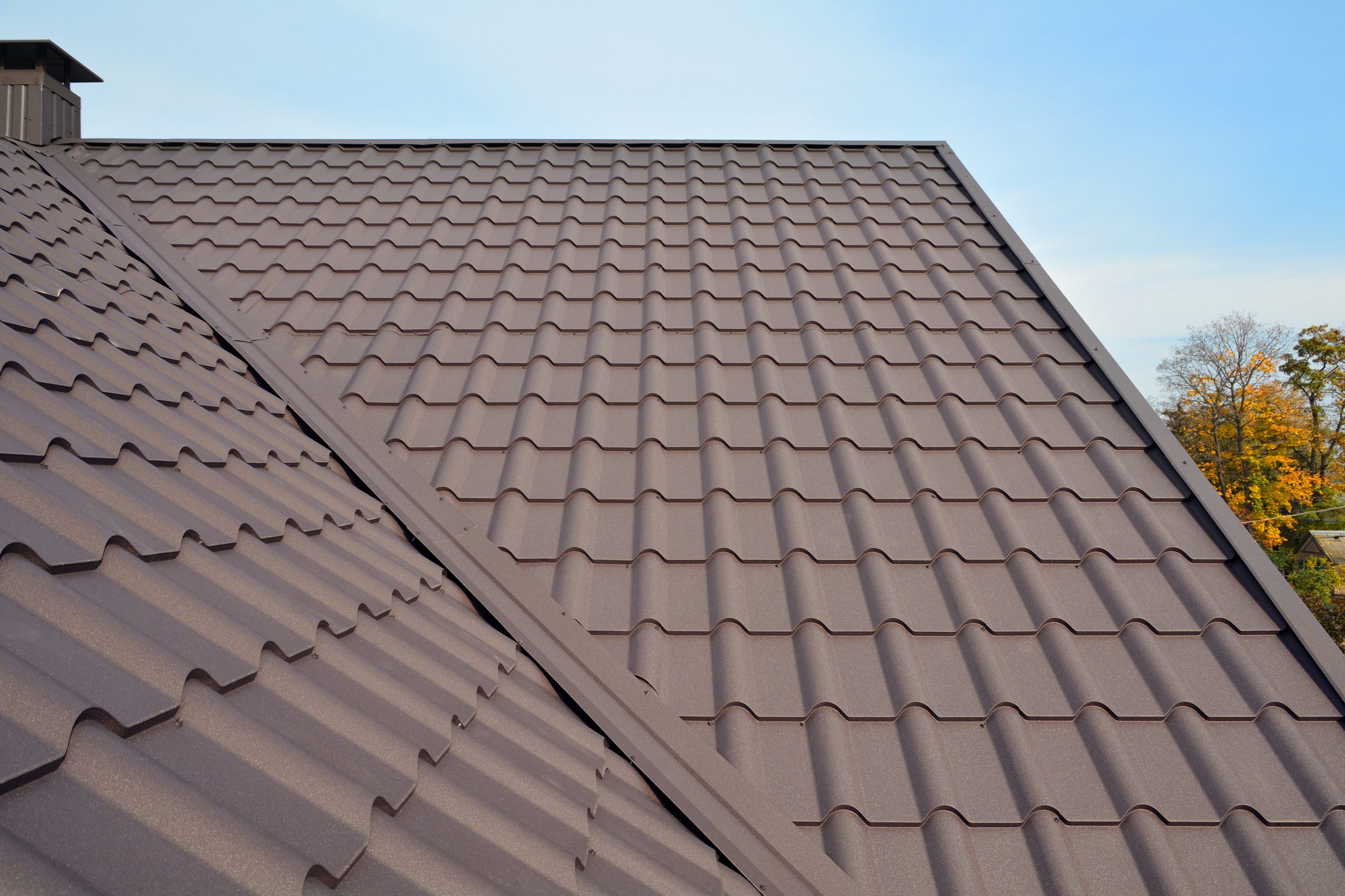
Standing-seam steel or aluminum 40–70 years Concealed fasteners; longest-lasting common metal
Exposed-fastener (screw-down) metal 25–40 years Fastener washers age faster than the panels
Copper or zinc 70–100+ years Develop a protective patina over time
Clay tile 50–100 years Tiles outlast the underlayment beneath them
Concrete tile 40–75 years Can crack in repeated freeze-thaw cycles
Natural slate 75–150 years Often outlives the house; fasteners fail first
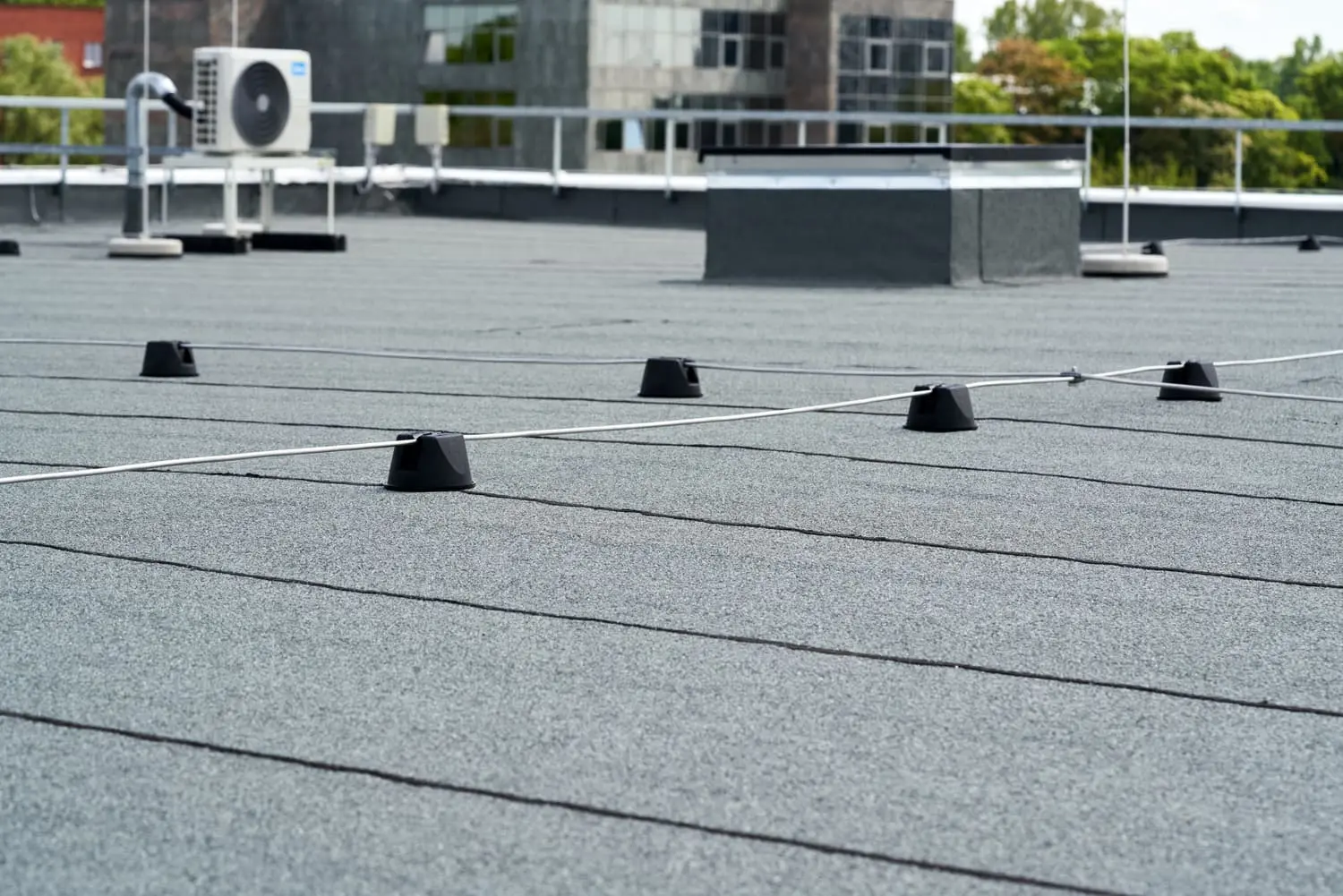
EPDM rubber (flat roofs) 20–30 years Seams and flashings are the weak points
TPO / PVC membrane (flat roofs) 20–30 years Heat-welded seams; quality varies by thickness
Modified bitumen (flat roofs) 15–20 years Common on Chicago bungalows and garages

A detail worth knowing: on tile, slate, and metal roofs, the covering itself is rarely what fails. The underlayment, flashing, and fasteners underneath wear out decades earlier. A 60-year-old tile roof may need to be lifted and re-laid over new underlayment even though the tiles are perfectly sound.

Why the same shingle lasts 30 years in one neighborhood and 18 in another

Manufacturers rate architectural shingles for 30 years or more, yet roofers routinely replace them at 18 to 22. The gap comes from a handful of factors that add up.

1. Freeze-thaw cycles and ice dams

Chicago-area winters are hard on roofs. Meltwater refreezes at the eaves, forms ice dams, and backs up under shingles. Every cycle lifts and stresses the shingle seal strip. Over a few winters this loosens shingles that would otherwise stay bonded for decades. Our earlier post on preparing your roof for fall and winter covers how to reduce ice dam risk before the first snow.

2. Hail and wind

A single spring hailstorm can take five to ten years off a shingle roof by knocking granules loose and bruising the mat. The damage is often invisible from the ground. If your area has been hit, read our guide on roof replacement after a hail storm before assuming the roof is fine.

3. Attic ventilation

This is the factor homeowners most often overlook. A poorly vented attic can hit 140–160°F in July, cooking shingles from underneath and causing premature curling and cracking. In winter, the same trapped warm air melts snow from below and feeds ice dams. Good intake at the soffits and exhaust at the ridge can add years to any roof.

4. Roof pitch and sun exposure

Water runs off a steeper roof faster and the shingles dry sooner. Low-slope roofs hold moisture and debris longer, which is why flat and low-pitch sections wear out first. South- and west-facing slopes take the most UV and typically age a few years ahead of the north side. If you are not sure how your roof’s slope affects it, see What Is Considered a Steep Roof?

5. Installation quality

Nails driven too high, too few nails per shingle, reused flashing, skipped starter strips, no ice-and-water barrier at the eaves: each of these shortcuts shortens a roof’s life without any visible sign on day one. This is the single biggest reason two identical shingle roofs age differently, and it is why choosing the installer matters as much as choosing the product. Our post on finding the right roofing contractor lists what to check.

6. Trees, gutters, and debris

Overhanging branches drop leaves that hold moisture against shingles and encourage moss. Clogged gutters let water pool at the roof edge, which is exactly where ice dams start. Keeping gutters clear is one of the cheapest ways to extend a roof, and gutter services are something we handle alongside roofing for that reason.

How to figure out how old your roof is

If you did not install the roof yourself, there are a few ways to estimate its age:

  • Check your closing documents or seller’s disclosure. Many list the year of the last replacement.
  • Ask your municipality. Most Chicago suburbs require a permit for roof replacement, and the permit record is public.
  • Look in the attic. Roofers sometimes date the underside of the decking, and the condition of the sheathing gives clues.
  • Look at the shingles themselves. Heavy granule loss, exposed black mat, curling edges, and cracked tabs generally indicate a roof past 15 years.
  • Count the layers at the edge. Two layers of shingles means the roof was covered over at some point, which also shortens the top layer’s life because it traps heat.

Signs your roof is near the end regardless of age

Age is a guideline, not a verdict. A 12-year-old roof with storm damage can need replacing before a well-maintained 25-year-old one. Watch for:

  • Shingles missing, cracked, or curling at the edges
  • Granules piling up in gutters or at downspout outlets
  • Dark streaks or moss across the surface
  • Daylight visible through the attic decking
  • Sagging sections of the roofline
  • Water stains on ceilings after heavy rain or snowmelt

We walk through each of these in detail on our roof replacement signs page, and in the post How Do I Decide Whether to Replace or Repair? if you are weighing a repair instead.

How to get the maximum life out of any roof

  1. Have it inspected every two to three years, and after every major storm. Small problems (a lifted shingle, a cracked pipe boot) cost little to fix and prevent decking rot.
  2. Keep gutters and valleys clear, especially in late fall.
  3. Trim branches back at least six feet from the roof surface.
  4. Fix ventilation problems. Adding soffit and ridge vents is far cheaper than an early replacement.
  5. Do not pressure-wash shingles. It strips granules. Use a soft-wash treatment for moss if needed.
  6. Do not add a second layer over old shingles. Tear-off costs more up front but the new roof lasts longer and any decking damage gets found.

The bottom line

  • Asphalt shingles: plan on 20 to 25 years in the Chicago area, sometimes 30 with premium products and good ventilation.
  • Metal: 40 to 70 years for steel, longer for copper and zinc. See our comparison of metal vs. shingle lifespans for a closer look.
  • Tile and slate: 50 to 100+ years, but budget for underlayment and flashing work along the way.
  • Flat roofs: 15 to 30 years depending on membrane.

If you are not sure where your roof stands, JJ Roofing Construction Enterprises has been inspecting and replacing roofs across Chicago, Naperville, Elmhurst, and the western suburbs for over 20 years. Contact us for a free inspection, or browse our gallery to see the materials we work with.

What Is Considered a Steep Roof? A Homeowner’s Guide
Blog

What Is Considered a Steep Roof? A Homeowner’s Guide

When it comes to protecting your home, your roof plays one of the most important roles.
But not all roofs are built the same. One factor that significantly affects roof maintenance,
repairs, and replacement costs is the roof’s pitch or slope. So, what is considered a steep roof,
and why does it matter for homeowners in Naperville, Chicago, and surrounding suburbs?

Understanding Roof Pitch

Roof pitch refers to how much a roof rises vertically for every 12 inches of horizontal distance.
For example, a 6/12 pitch means the roof rises 6 inches for every 12 inches of run.

Generally, roofing professionals classify roof pitches as:

  • Low-slope roofs: 2/12 to 4/12
  • Conventional roofs: 4/12 to 9/12
  • Steep roofs: 9/12 and above

A roof with a pitch of 9/12 or greater is typically considered steep because it requires
specialized safety equipment, installation techniques, and experienced roofing crews
to work on it safely.

Why Steep Roofs Matter

Steep roofs offer several advantages, especially in Illinois, where homes experience heavy rain,
snow, ice, and strong seasonal weather changes.

Better Water Drainage

One of the biggest benefits of a steep roof is improved water runoff. Rainwater and melting snow
drain more quickly, reducing the risk of leaks, standing water, and moisture damage.

Enhanced Curb Appeal

Many homeowners in Naperville, Chicago, Aurora, Plainfield, Wheaton, and neighboring communities
prefer steep roofs because they create a more attractive architectural appearance and can increase
property value.

Longer Roof Lifespan

Since water and debris are less likely to accumulate, steep roofs often experience less wear and tear
over time, helping roofing materials last longer.

Common Challenges of Steep Roofs

While steep roofs provide excellent protection, they can also present unique challenges.

More Difficult Repairs

Roof repair on a steep roof requires additional safety measures and specialized expertise.
Attempting DIY repairs can be dangerous and may lead to costly mistakes.

Higher Replacement Costs

A roof replacement project on a steep roof typically requires more labor, equipment, and time.
However, investing in professional installation helps ensure long-term durability and performance.

Gutter Maintenance Is Critical

Because water moves quickly off steep roofs, gutters must be properly installed and maintained.
Damaged or clogged gutters can lead to foundation issues, siding damage, and water infiltration
around your home.

Professional Roofing and Gutter Services You Can Trust

Whether you need roof repair, roof replacement, gutter repair, gutter replacement, or new gutter
installation, choosing an experienced roofing company is essential. Professional roofing companies
understand the unique demands of steep roofs and can recommend the best materials and solutions
for your home.

Homeowners throughout Naperville, Chicago, Aurora, Plainfield, Wheaton, Bolingbrook, and nearby
suburbs rely on trusted roofing companies to protect their properties from Illinois weather
year-round. Regular inspections, timely repairs, and quality workmanship can help prevent minor
issues from becoming major expenses.

Schedule Your Free Roof Inspection Today

If you suspect roof damage, have an aging roof, or need gutter services, don’t wait until small
problems become costly repairs. Contact our experienced roofing company today for a comprehensive
inspection and personalized recommendations.

We proudly serve homeowners throughout Naperville, Chicago, and surrounding suburbs with reliable
roof repair, roof replacement, gutter installation,
gutter repair, and gutter replacement services designed to keep your
home safe and protected for years to come.

How Effective Are Gutter Guards? Everything Homeowners Should Know
Blog

How Effective Are Gutter Guards? Everything Homeowners Should Know

Gutters play a crucial role in protecting your home from water damage, but keeping them clear of leaves, twigs, and debris can be an ongoing challenge. This is why many homeowners consider installing gutter guards. But how effective are they, and are they worth the investment?

The short answer is yes—gutter guards can significantly improve the performance of your gutter system when properly selected and professionally installed.

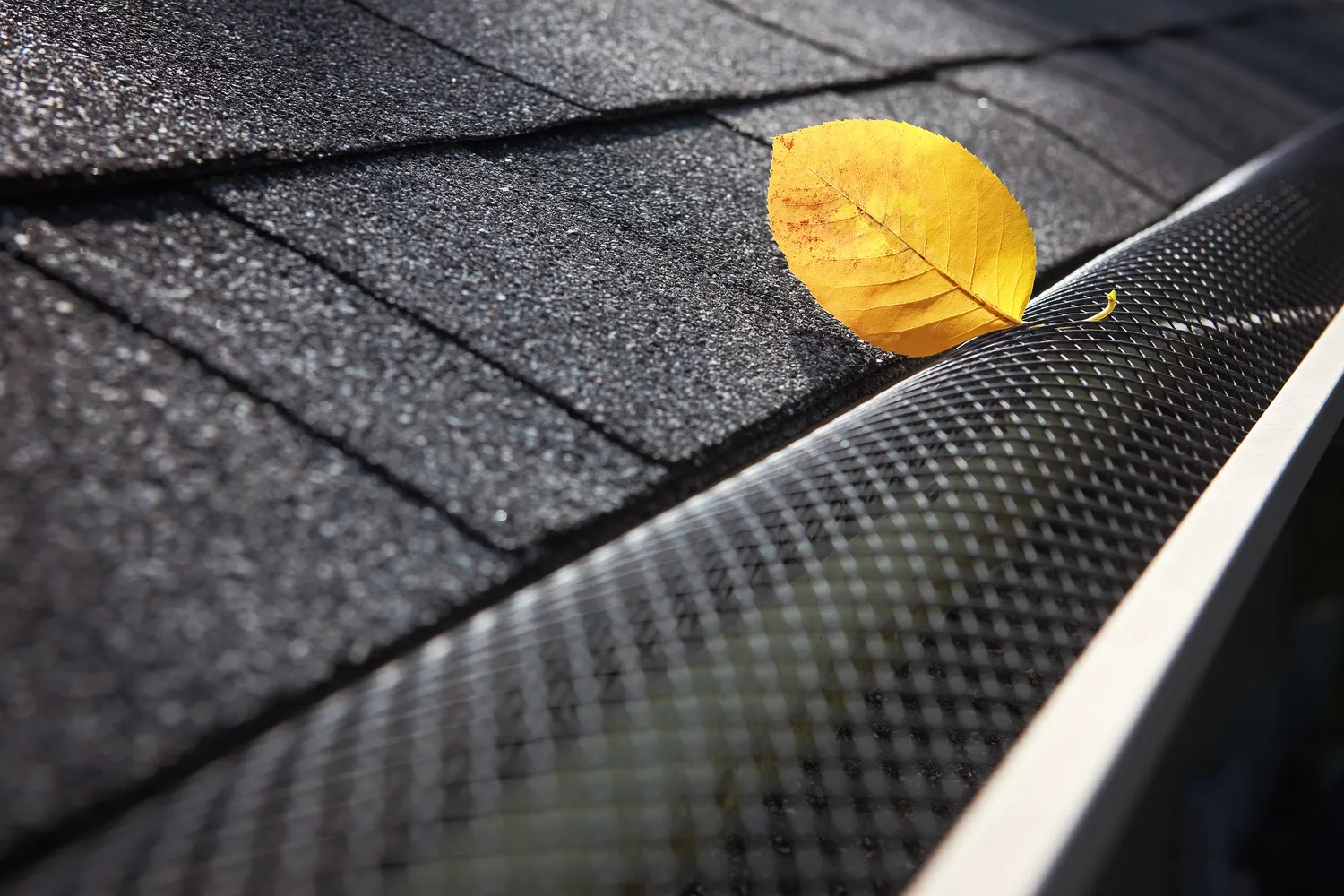
Gutter guards are designed to prevent large debris from entering your gutters while still allowing rainwater to flow through. By reducing the amount of debris that accumulates inside the system, they help minimize clogs that can lead to overflowing gutters, water damage, foundation issues, and even roof problems.

One of the biggest advantages of gutter guards is the reduction in maintenance. While no gutter guard system can completely eliminate the need for inspections and occasional cleaning, they can dramatically decrease the frequency of gutter maintenance. This means homeowners spend less time worrying about clogged gutters and more time enjoying peace of mind during heavy rainstorms.

Another important benefit is the protection they provide to your roof and home exterior. When gutters become blocked, water can back up onto the roof or spill over the sides of the gutters. Over time, this excess moisture can contribute to wood rot, mold growth, damaged fascia boards, and landscape erosion. Gutter guards help maintain proper water flow, reducing the risk of these costly issues.

However, it is important to understand that not all gutter guards perform the same way. Factors such as local weather conditions, surrounding trees, roof design, and the quality of installation all play a role in their effectiveness. Choosing the right system requires careful evaluation of your home’s specific needs.

This is where professional expertise becomes especially valuable. An experienced roofing and gutter specialist can assess your property, recommend the most suitable gutter guard solution, and ensure it is installed correctly for long-term performance. Proper installation not only maximizes effectiveness but also helps extend the lifespan of your entire gutter system.

If you’re looking for a way to improve gutter performance, reduce maintenance, and better protect your home from water-related damage, gutter guards can be a smart investment. With the right solution and professional installation, they provide an added layer of protection that helps keep your roofing and drainage systems working efficiently throughout the year.

A well-maintained gutter system is one of the simplest ways to safeguard your home—and gutter guards can be an important part of that protection strategy.

Roof replacement after hail storm
Blog

Roof replacement after hail storm: What You Need to Know

A hailstorm can leave more than just dents in your car—it can cause serious, often invisible damage to your roof. While some signs are easy to spot, others require a professional eye. If your home has recently been hit by a hailstorm, understanding what to do next is crucial. A timely roof replacement may not only protect your home from further damage, but could also be covered by your insurance.

Why Hail Damage Is a Serious Issue

Hailstones can bruise, crack, or dislodge roofing materials, even if they don’t leave a visible hole. Over time, these weakened areas allow moisture to seep into the underlying structure, leading to rot, mold, and costly repairs. After a severe storm, your roof may look fine from the ground—but that doesn’t mean it’s undamaged.

First Step: Schedule a Roof Inspection

After the storm passes, contact a professional roofing contractor to perform a detailed inspection. They’ll look for common signs of hail damage, such as:
Dented or fractured shingles
Loss of protective granules on asphalt shingles
Soft or spongy spots in the roof decking
Damaged flashing, vents, or gutters
A thorough inspection includes both the roof surface and the attic, where signs of water intrusion may appear first.

Contacting Your Insurance Company

If hail damage is confirmed, the next step is to file a claim with your homeowner’s insurance. Most reputable roofing companies will assist with this process by:
Providing documentation and photos
Meeting with your insurance adjuster on-site
Helping ensure all damage is properly assessed and covered
Keep in mind, insurance typically covers storm-related damage, but policies vary. Review your coverage and deductibles so you know what to expect financially.

Replacement vs. Repair

Depending on the extent of the damage, your contractor and insurance provider will determine whether repairs are sufficient or a full roof replacement is necessary. In many cases, especially with widespread granule loss or structural damage, replacement is the safer long-term solution.

What to Expect During the Replacement

If a full roof replacement is needed, the process follows the same structure as any planned roof job: removal of damaged materials, decking inspection, and installation of new roofing layers. However, hail-related replacements often move quickly due to the urgency and insurance involvement.

Preventing Future Storm Damage

After a hail-related replacement, consider upgrading to impact-resistant shingles designed to better withstand extreme weather. Some insurance companies even offer discounts for using hail-resistant materials.

A hailstorm can be unpredictable, but your response doesn’t have to be. Acting quickly after damage occurs—and working with trusted professionals—can save you stress, money, and long-term headaches. If you’ve experienced a hailstorm, don’t wait for leaks to appear. A professional inspection could be the first step toward protecting your home for years to come.

Roof replacement
Blog

Roof replacement what to expect: A Step-by-Step Guide for Homeowners

Replacing your roof is one of the biggest home improvement projects you’ll take on as a homeowner. It’s a major investment, but one that pays off in long-term protection, improved energy efficiency, and increased curb appeal. Understanding what to expect at each stage of the process can make it far less stressful and ensure you feel confident every step of the way.

Initial Inspection and Estimate

The first step is a professional roof inspection. A qualified contractor will assess the current condition of your roof, checking for visible signs of damage such as:

  • Cracked or missing shingles
  • Leaks or water stains in the attic
  • Sagging or soft decking areas
  • Poor ventilation or deteriorated flashing
    After the inspection, you’ll receive a detailed estimate that outlines the scope of work, recommended materials, project timeline, and warranty details.

Preparing for the Project

Once you’ve signed off on the proposal, the preparation phase begins. This is when the contractor orders materials and schedules your replacement date. You may be advised to:

  • Move vehicles out of the driveway
  • Protect items in the attic or on walls
  • Inform neighbors about upcoming noise and activity
    Many companies will cover landscaping or install protective tarps to minimize the impact on your property during the project.

The Replacement Process

On installation day, the crew arrives early and begins by removing the old roofing material. This typically includes shingles, underlayment, and flashing. Once stripped, they’ll inspect the underlying decking for hidden damage. If any issues are found, they’ll repair or replace the wood before continuing.
Installation then moves forward in layers: new underlayment, ice and water shield, flashing, ventilation components, and finally, your new roofing material—whether it’s asphalt shingles, metal, tile, or another option.

Cleanup and Final Walkthrough

After the new roof is installed, the crew conducts a full cleanup. They’ll:

  • Remove all debris and leftover materials
  • Use magnetic tools to collect nails
  • Inspect gutters and downspouts for blockages
  • Walk you through the completed work for approval
    You’ll also receive warranty documentation and care recommendations to help extend the life of your new roof.

What Can Affect the Timeline?

Most roof replacements are completed within one to three days, but factors like:

  • The size and pitch of your roof
  • Weather conditions
  • The complexity of your roof structure
    …can all influence how long the project takes.

Knowing what to expect during a roof replacement can help you plan ahead, minimize stress, and ensure you’re getting the quality workmanship your home deserves. With clear communication and a reliable contractor, this major upgrade can be a smooth and rewarding experience.

Blog

If You Want To Avoid Flat Roof Repair Naperville, Check Out This Tips

A flat roof repair Naperville may be caused by a variety of circumstances, including a lack of routine upkeep. If you haven’t done roof gutter cleaning, eavesthrough repair, eaves cleaning, or gutter cleaning in the last year, you might be in for a problem. Residential roofing designs are distinguished by towering peaks on conventional roofs. Flat roofs have become a mainstay for many households throughout time, and they are no longer connected with commercial structures. Flat roofs need special installation and drainage since this roofing style has distinct qualities that characterize it. Flat Roof Maintenance Tips for Homeowners may be found in this instructional post.
 
Tips For Flat Roof Maintenance For Homeowners
 
Ensure That Your Roof Is Clean.
Debris on the roof might be fatal to your flat roof. To guarantee proper drainage, have a professional remove a major amount of the leaves and other debris from the roof.
 
You Must Not Stand Or Walk On The Roof.
Stay off your roof if it was not designed to be walked or stood on. Flat roofing systems were not intended to support humans, and the extra weight might damage roof layers, causing leaks. If you can’t reach a damaged area or debris, engage roofing companies Naperville with the necessary skills and competence.
 
Drainage Systems That Are Clear
Ponding or pooling on the roof shows that the drainage system is clogged at the sources, which are where the drain grates are situated. The water will flow if you maintain them clean of debris.
 
Trim The Trees Around The Roof
Trees have leaves, sticks, and branches that might create issues. Drainage issues are caused by leaves and sticks, and branches may form openings in the roof. If you keep up with your trimming, you will have addressed two issues: the trees will be trimmed, and your roof will be protected from damage/drainage concerns.
 
Examine Your Roof After a Storm.
Strong winds and storms may cause damage to a flat roof; if you’re not careful, you might end yourself paying in dollars. Wind may raise felt matte and hail can breach a roof, both of which open up an opportunity for water to enter.
 
Keep A Close Eye On Your Ceiling.
The ceiling in the room under your roof will show symptoms of leakage. If you see discoloration or puddles on the floor, your roof is leaking, and you must act quickly to avoid more issues from arising according to roofers Naperville from JJ Construction Enterprises, Inc.
Blog

Advantages Of Hiring Roofing Contractors Naperville

The roof of your house serves as the first line of protection. As a result, you must handle it with the greatest care. In other words, avoid cutting shortcuts while replacing or restoring this most important asset. Don’t take uncalculated risks with your loved ones or your house. Having the work done correctly the first time by local roofing companies Naperville will help you avoid these hazards.

Here’s why employing a qualified expert for the task makes perfect sense.

1. Security

Hiring a roofing specialist prioritizes the protection of your property above everything else. Qualified roofing specialists preserve the greatest degree of ethics and offer exceptional work that is code compliant. That implies you don’t have to put yourself in danger. Your family’s safety is paramount, and you won’t have to worry about an unsteady roof over your head.

The greatest thing is that roofing professionals utilize sophisticated equipment and are well-versed in safety precautions while installing or repairing your roof.

2. You Can Rely on Our Market Knowledge and Experience

Professional roofing professionals have the necessary industry experience on which you may depend. In a nutshell, the roofing services are designed to always look out for your best interests. The materials utilized are of excellent quality and meet industry requirements. Shingles, vent systems, skylights, underlayment materials, and sun tunnels are examples of such items.

Make use of a professional roof repair company Naperville knowledge, cutting-edge roofing procedures, and cutting-edge technologies to prevent costly errors. Best of all, consult a roofing specialist when you need guidance on the pricing, brand, color, and style of roofing items that are best suited to you as a homeowner.

Other reasons to choose a reputable roofing repair company include the following:

  • Licensing and insurance in accordance with federal and state legislation
  • Meet all of the building council’s and authority’s criteria.
  • All contractors passed all gutter installation Naperville tests.
  • Considerable experience gained via several successful projects of varied sizes and scope

3. Warranties

A professional roofing firm gives a guarantee for their work/roofing goods used on the project in addition to being licensed, insured, and having exceptional craftsmanship. To summarize, you are no longer liable for repairs or damages if you have reservations. Providing a guarantee is only one example of a reliable roofing provider.

4. The Cost-Benefit Analysis

Because of their significant knowledge in the industry, Naperville roofing specialists create estimates that result in little waste of the supplies you buy. Furthermore, when you choose reliable local roofing companies Naperville, you obtain the highest quality items at significantly reduced pricing.

When you employ roofing contractors, they arrive at the work site with specialized equipment that would cost you a lot of money if you had to purchase it for a one-time job.

Blog

How Do I Decide Whether To Replace Or Roof Repair?

When your roof begins to show indications of deterioration, it may be challenging to determine if a roof repair would be adequate or whether a roof replacement is necessary. The finest alternative for your property may be determined with the assistance of reputable roofing contractors Naperville.

The following factors should be taken into account while choosing between a roof replacement and a roof repair Naperville service.

  1. Roof’s Age

Do you know the date the present roof was put in place? The age of the roof might be a useful indicator of when to replace it, depending on the kind of roofing material employed.

Consider replacing your roof if it is exhibiting symptoms of aging and/or has had storm damage, leaks, or other issues. Whether you want to live in your house for a number of decades or plan to sell it soon, replacing an old, damaged, or failing roof rather than continually paying for roof repairs Naperville may be a worthwhile investment.

  1. Leaky Roofs

One of the most frequent causes of roof repairs or roof replacements is a leaking roof. A leaking roof may be to blame if you’ve seen water stains running across ceilings or down walls inside your house. Licensed roofers Naperville may assist with the procedure but it might be difficult to locate the cause of the roof leak.

  1. Damage To The Roof’s Surface

It’s probable that your roof has either lost its aesthetic appeal or has sustained additional physical damage if you’re considering roof replacement over repair. In order to make the best choice for your house and budget, working with a reputable roof repair company Naperville may help you better grasp the degree of any roof damage you may have.

When Should a Roof Be Repaired?

Minor Harm

Replacing damaged material in that region may be quite easy and affordable if you just need to fix a small piece of your roof or replace a few shingles in a single location with minimal wind damage.

Trying to match roofing materials so that the repaired section merges in with the rest of the roof is a drawback to this strategy. For instance, if you have extra shingles from a prior roof replacement, the colors may be similar but not quite match because of sun exposure.

Moderate Harm

Partial reroofing may be a possibility if the damage to your roof is more severe but only affects one side or region of your roof, and it will probably be less expensive than a full reroofing job.

Again, aesthetics are a drawback of a partial reroofing job. The color of the new roofing materials can be more difficult to match with the ones already in place. Due to exposure to the environment, roofing materials may deteriorate over time. As a consequence, the area that was recently reroofed may be distinguished from the remainder of the roof.

When To Replace Your Roof

A new roof may cost more upfront, but over time, by avoiding the accumulated expenses of many repairs or extra damage, it may end up saving money.

When deciding between a roof repair and a full roof replacement, get in touch with our expert roofing contractors Naperville for advice and superior service.

Blog

A Few Tips From Roofing Contractors Naperville For The Fall & Winter Season

In preparation for the coming of autumn and winter, it is essential that your roof is spotless and in excellent working order. Leaks and expensive structural roof repairs Naperville may result from neglecting the damage caused by summer storms, wind, heat, and sun in Naperville region. This winter, you may rest easy with the help of these easy roofing care suggestions for the fall:

Remove All Trash From The Roof

Leaves, seed pods, dirt, twigs, and other debris may accumulate on a roof over the summer, leading to clogged gutters, trapped moisture, and the formation of moss or algae. Make an appointment with local roofing companies Naperville to have them clean and examine your roof before the winter sets in. Your roofers Naperville will be better able to see any issues that were previously masked by the dirt and debris if you remove them. So they can deliver flat roof repair or any roof leak repair Naperville.

Inspect for Possible Roof Damage

During the summer’s strong thunderstorms and monsoon rains, your roof may take a hammering, and even the slightest crack in a shingle, missing fastener, exposed felt, or loose piece of flashing can lead to significant water damage inside your house. It is important to fix any faults as quickly as possible to prevent more water damage, rotted rafters or roof decking, and other structural difficulties.

Get The Gutters Cleaned

When it rains, most of the trash on your roof will be swept into the downspouts. In the event that the gutters are blocked with organic matter like leaves, twigs, shingle grains, and other detritus, water will back up over the roof and into the eaves and siding during a storm. Keep water away from your house by clearing out the gutters and checking them for leaks, loose connections, and rusted fasteners.

Check The Rafters

Inspection of the attic of your Naperville house should be part of your routine roofing maintenance. The heat from an unventilated attic or an overly warm attic may soften the asphalt in the shingles, causing the outer layer of shingle grains to peel off and expose the roof underneath. Having to replace your roof so soon might be quite costly.

Roofing Service in Naperville

Trust the professionals at JJ Construction Enterprises, Inc. whenever you’re in need of a roof inspection or maintenance in Naperville region. Our company has been in the roofing business for decades, and we pride ourselves on our professionalism, high-quality work, honest pricing, flexible payment plans, and money-back guarantee on all roofing services.

Blog

When You See These Signs That Means You Need Gutter Replacement Naperville

Gutter damage cannot be the cause of any significant house problems since it is so easy to fix! It is simple and secure to keep a check on your gutters installation Naperville. If you see any of the following symptoms, it’s a fairly good indication that your gutters need gutter replacement Naperville since they have some form of damage.

Standing Water Close to Your House

A clear indication that your gutters or downspouts are not properly diverting water away from your property is standing water close to it. Pooling water may result in mold, undermine your foundation, and provide the ideal environment for bothersome insects. Additionally, it will cause the surroundings around your house to be perpetually soggy and muddy.

Mildew or Mold

Whether you see mold or mildew on your home’s sidewalls or on the gutters, it is never a good omen. Mold and mildew are signs of excessive moisture in that region, which might be caused by a problem with the rain gutters. Remember that mold and mildew are more prone to develop on a home’s north side, so if these things are developing there, it may be because that region doesn’t get much direct sunshine.

Pouring Rain Over the Gutter

Wait till it starts to rain before checking for this kind of gutter problem. I hope this does not imply that your gutters are broken. It might simply be that the gutter needs to be cleaned since it is clogged with dirt. Whatever the case may be, you must get it examined immediately away by a roof repair company Naperville.

A Water Mark

The first indication that a surface has a lot of moisture is the presence of water marks. Even after pooled water has evaporated or diffused into the earth, water marks may sometimes still be seen. Water stains are often seen straight behind the downspouts or directly under the gutters. This is often an indication that water is draining from the gutters’ outside rather than from the inside.

Clear Gutter Damage

The last and easiest indication of gutter deterioration is definitely present. According to local roof companies Naperville, your gutters have damage if they are twisted, sagging, or cracked. It’s a good idea to stroll around your home after a storm to check for any potential damage to the gutters, façade, or roof shingles. In addition to any regular house inspections, these inspections are performed.

Blog

Tips for Finding the Right Roofing Contractor

Choosing the best roofing contractor for your job is crucial when it comes to replacing or repairing your roof. Finding local roofers Naperville online will probably provide dozens, if not hundreds, of results.

How to Choose a Roofing Contractor?

While there are numerous things to consider while choosing a roofing contractor, the following are some fundamental ones:

Reviews and Ratings

Start by reading reviews and ratings for roofing contractors Naperville. Ask the community. Find out from your friends, neighbors, and relatives who they have previously hired to do roofing work.

Manufacturer Network Participation

Check to see whether the roofing companies Naperville are a part of a manufacturer’s network. If contractors achieve specific requirements, most roofing manufacturers offer multi-level, or tiered, professional networks or membership programs they may join.

Advantages

Employing a roofer that is a member of a manufacturer’s program may provide you access to extra advantages like longer warranties in addition to certain guarantees about their business methods.

Commitment to a Service Area

A roof repair company could have a physical location nearby, or it might operate outside of its main office and service a greater region. Will the roofer you’re considering hiring still live in your neighborhood a year from now or longer? In the future, who will you contact if there is a problem?

Find out how long the local roofing companies in Naperville have been in existence, and if there isn’t a local office, check the BBB and other reliable references to determine whether the roofing company is a legitimate organization with a clean record. This might assist you in avoiding shady businesses and con artists that emerge after a major storm.

Coverage

Check the insurance coverage of the roofing contractor you hire. Find out how the roofer’s insurance covers you and your property. Various types of insurance are needed in different states and regions. A roofing contractor should explain the distinctions between their coverage and insurance, such as between general liability and workers’ compensation.

References

Request references from roofing contractors, including the names of previous clients.

Credentials

Make sure the roofing contractor you choose has all the necessary licenses and permissions to carry out the job in your region since requirements vary by place.

Blog

Top 6 Maintenance Tips to Prevent the Need for Roof Repair

Neglecting a damaged roof can lead to very expensive roof repairs. But the damage and the repairs are preventable if you know what to do.

Here are 6 tips that can help keep your roof safe from damage while taking care of minor issues before they become major problems.

1. Regular Roof Inspection
Before the winter or storm season arrives each year, you can get up on your roof for a thorough check. But if you don’t feel comfortable going on your roof or are unsure of what to look for, have your roofing contractors give you a detailed roof inspection.

2. Clean the Gutters
This can be a real chore. It takes time, it’s messy, and you will have to climb a ladder. But cleaning your gutters is necessary to help your roof shed water properly so you can avoid water saturation and leaks that develop mold and rot wood. Again, roofing companies are well equipped to handle this for you.

3. Trim Trees
If you have trees that grow too close to your home, it can be a serious concern. Limbs can swing into your home or fall on your roof, causing major damage. So trimming the trees back is helpful to avoid these problems.

4. Clear Snow
A dusting of snow on your home can look beautiful, but too much snow can be very heavy on your roof, potentially causing a collapse. Clear what you can after a heavy snowfall and call for assistance from roofing contractors when necessary.

5. Remove Debris
Leaves and twigs might seem insignificant, they can trap water on your roof leading to algae and mold growth, which can damage shingles. Remove this debris with a roof rake to keep the area clear to avoid roof repair.

6. Check and Repair Seals, Joints, and Flashing
Seals, joints, and flashing are very commonly known to develop leaks. If you see dried or loose sealant or gaps, take action quickly before you need a leaking roof repair.

Avoiding costly roof repairs by inspecting the roof or having a professional do it for you can put you at ease. Ideally, you will want an inspection twice a year in the fall and the spring. You will be able to identify issues quickly to make the necessary adjustments. Call JJC, the professional roofers to help.

JJ Roofing Construction Enterprises Inc.

For top-quality and affordable roofing services, JJ Roofing Construction Enterprises Inc. stands out among experienced contractors. When searching for a roofing company near me Chicago, you’ll find us ready to handle all your needs!

BUSINESS HOURS

Monday-Friday: 6:00 a.m. – 7:00 p.m.

Saturday: 8:00 a.m. – 4:00 p.m.

Sunday: Closed

CONTACT INFO

Phone: (773) 818-2476

Address: 1032 IL-19, Bensenville, IL 60106

Roofing License: 104.017009

CONTACT INFO

Phone: (312) 940-6356

Address: 50399 W Carmen Ave, Chicago, IL 60630, United States